
Daisy, Daisy

Client: Beam Camp
Site: New Hampshire, USA (2015)
Designer: Wayward
Consultants: Civic Engineers

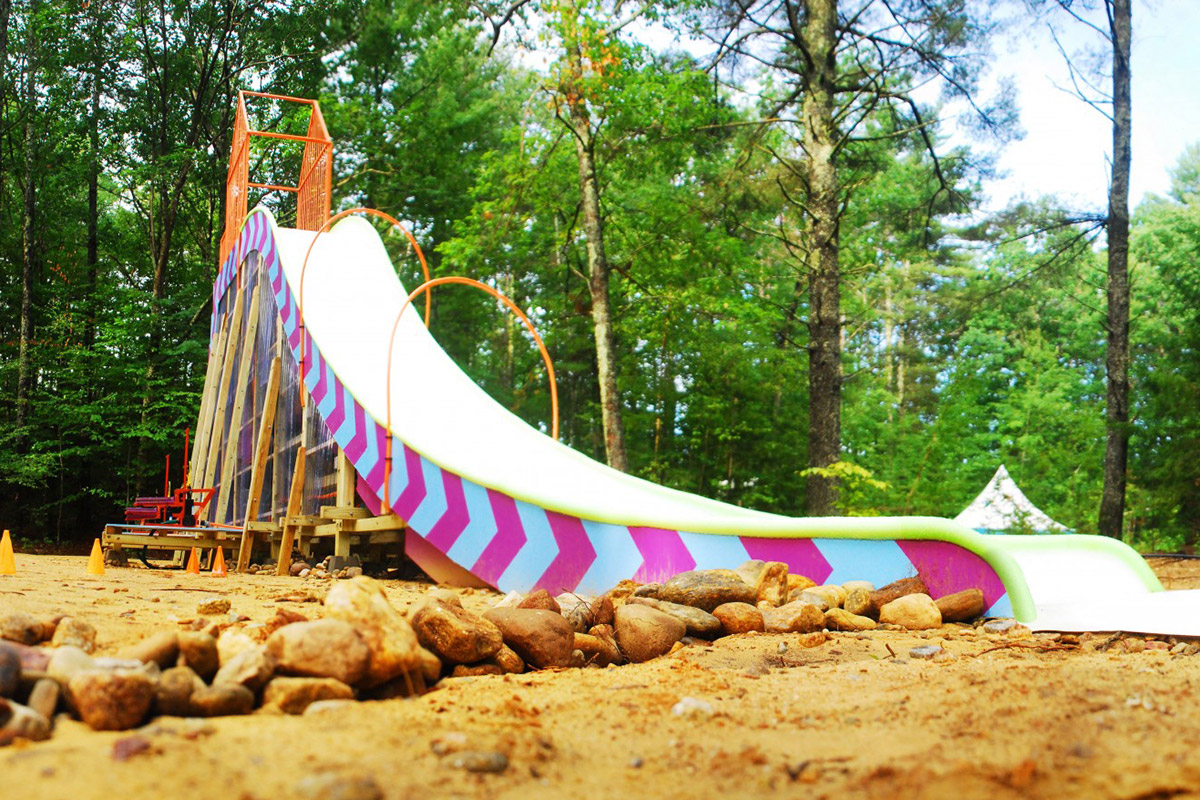
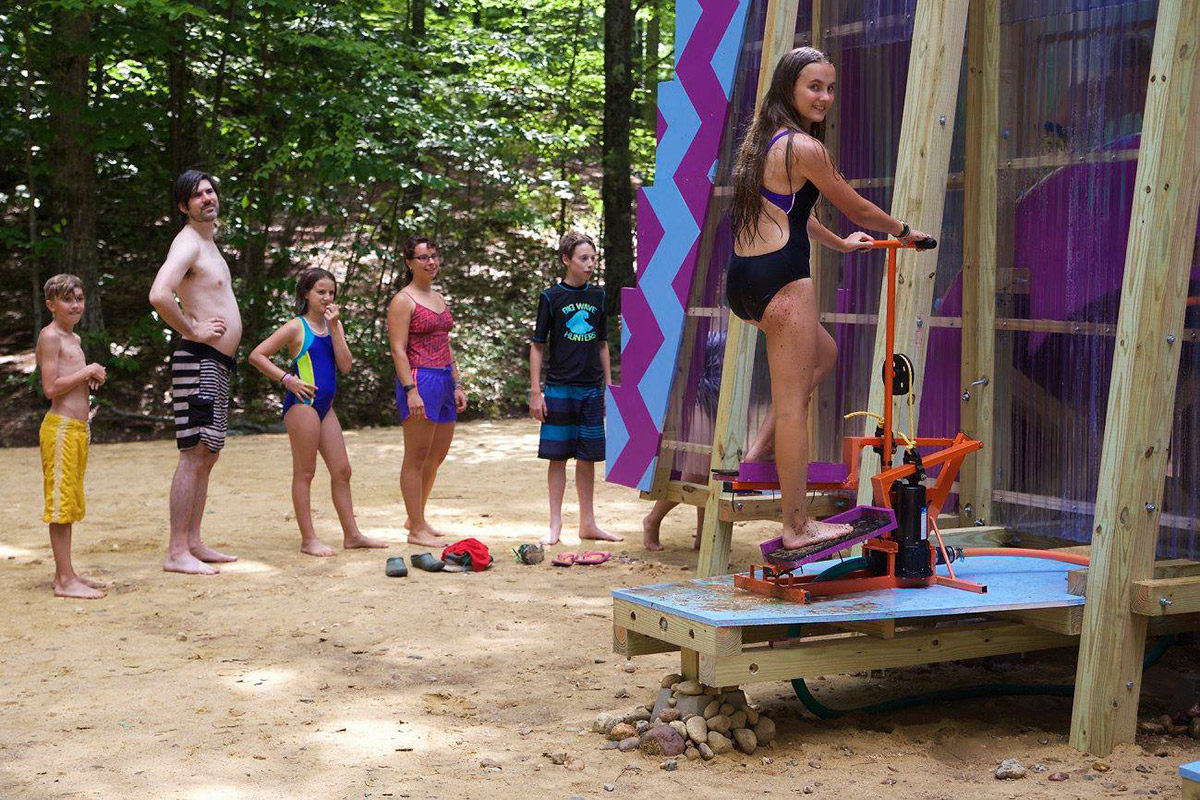
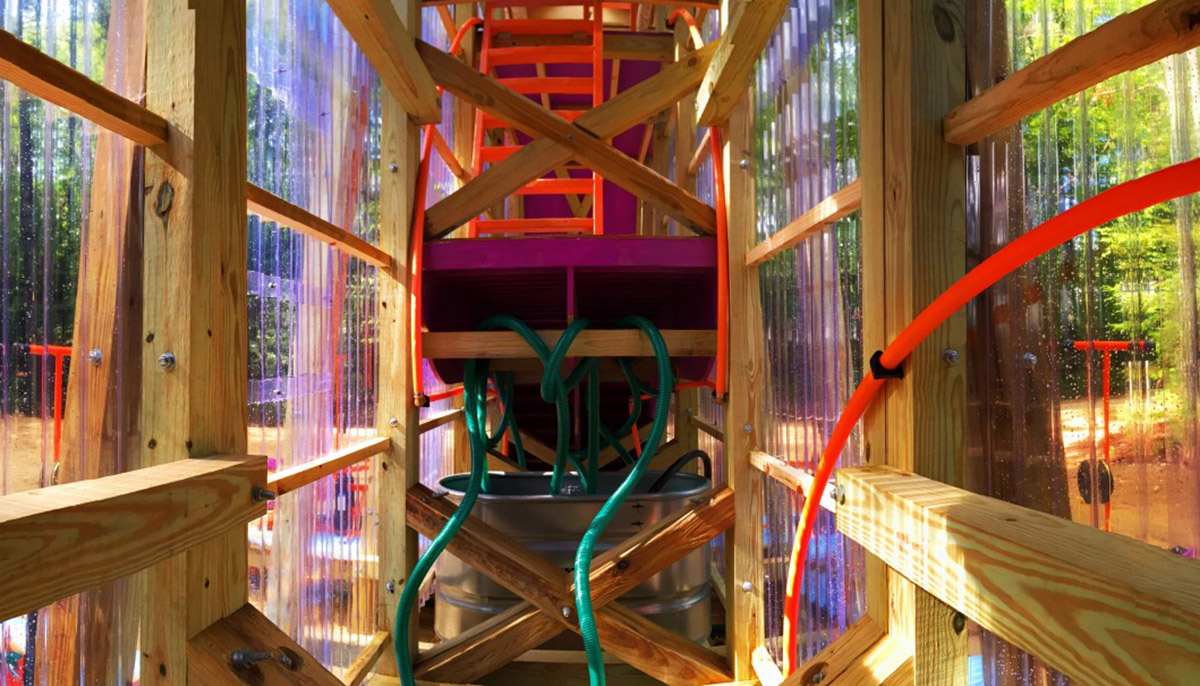
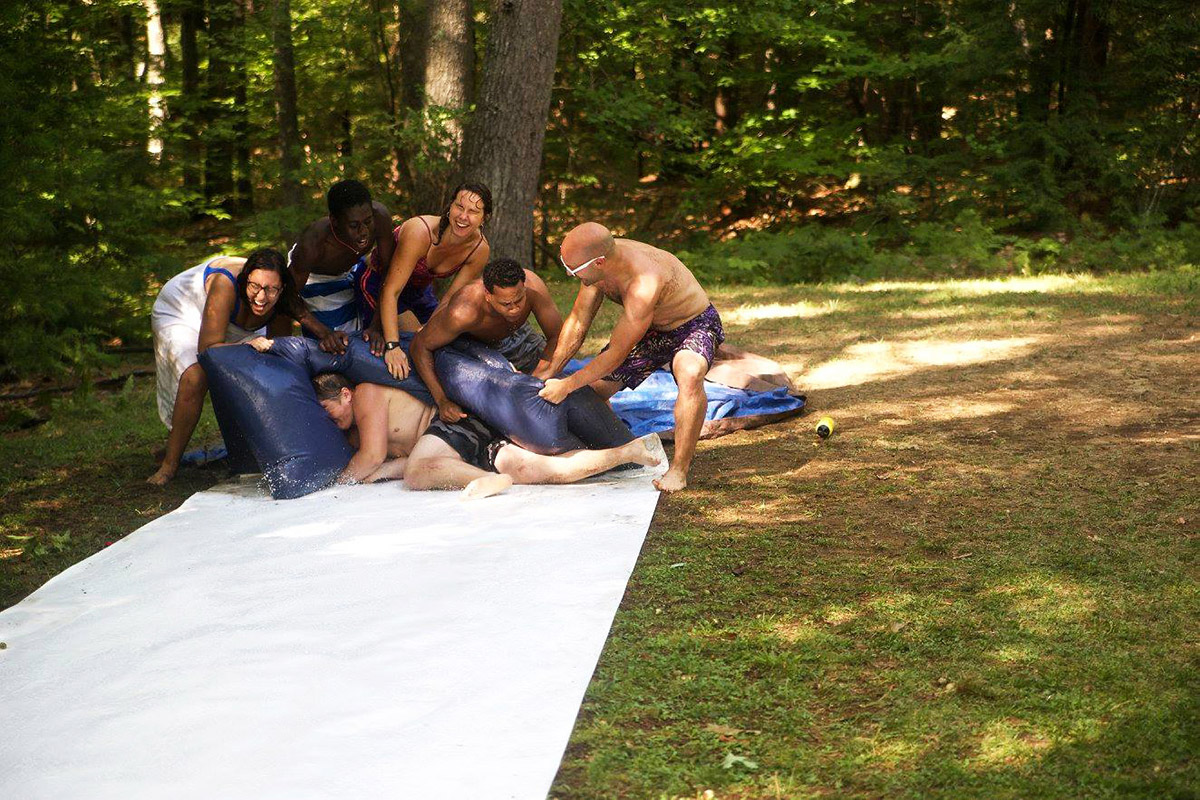
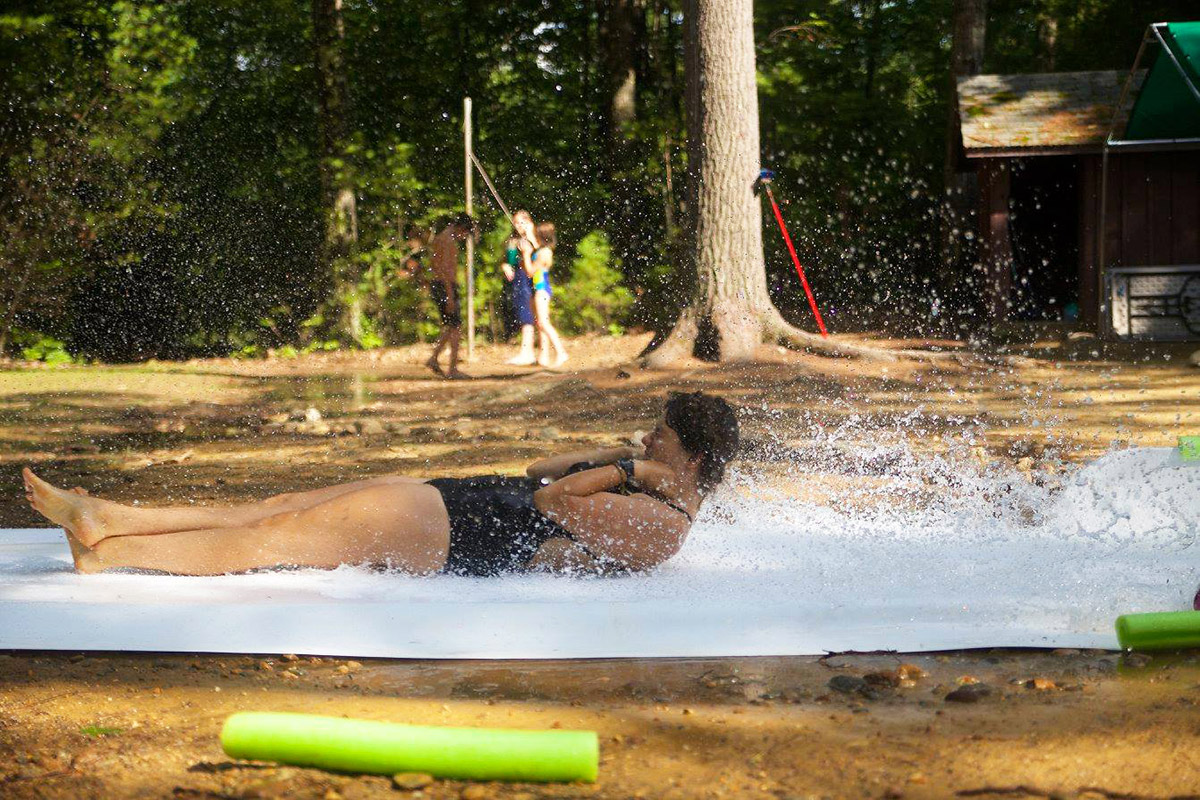
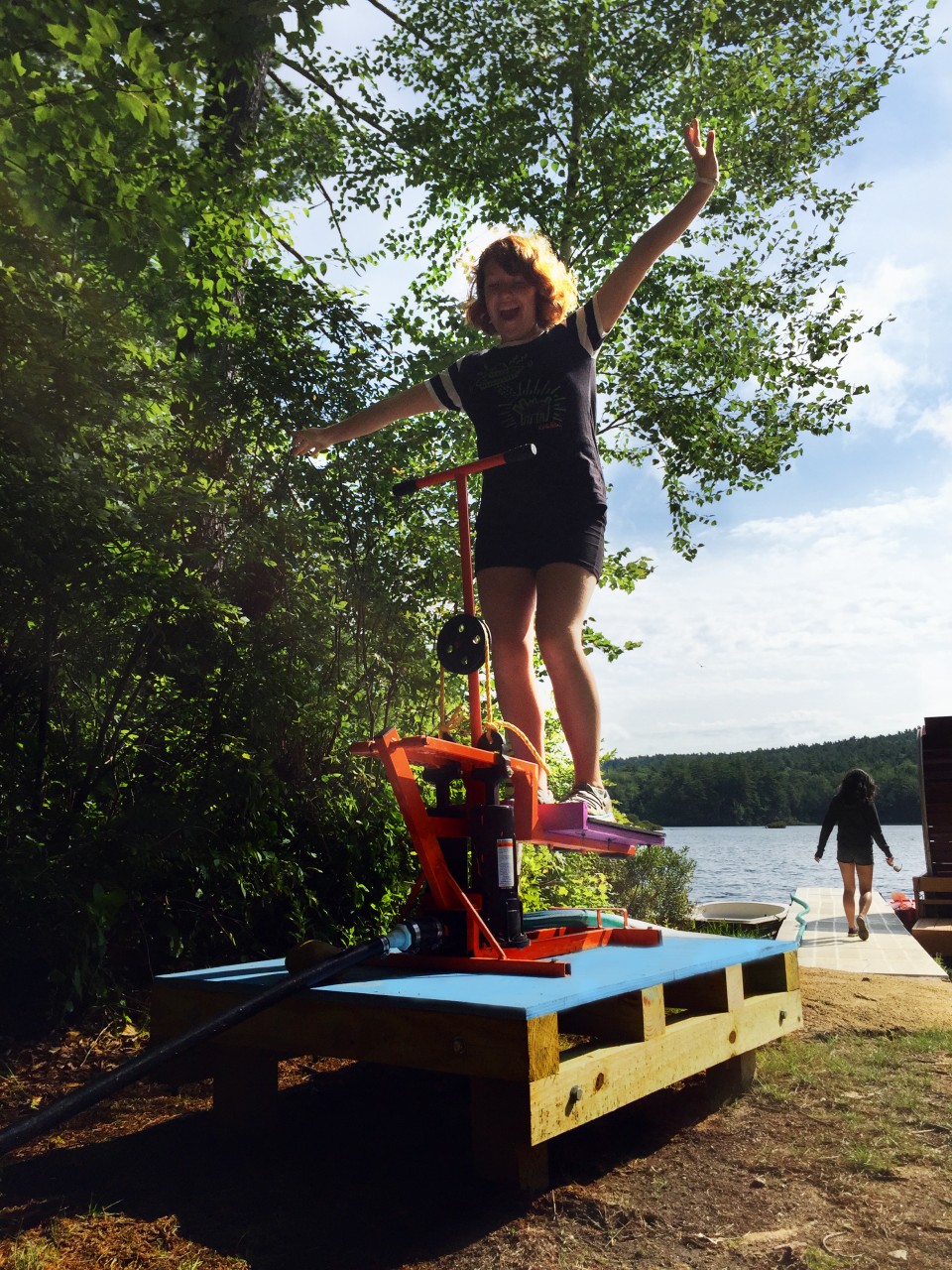
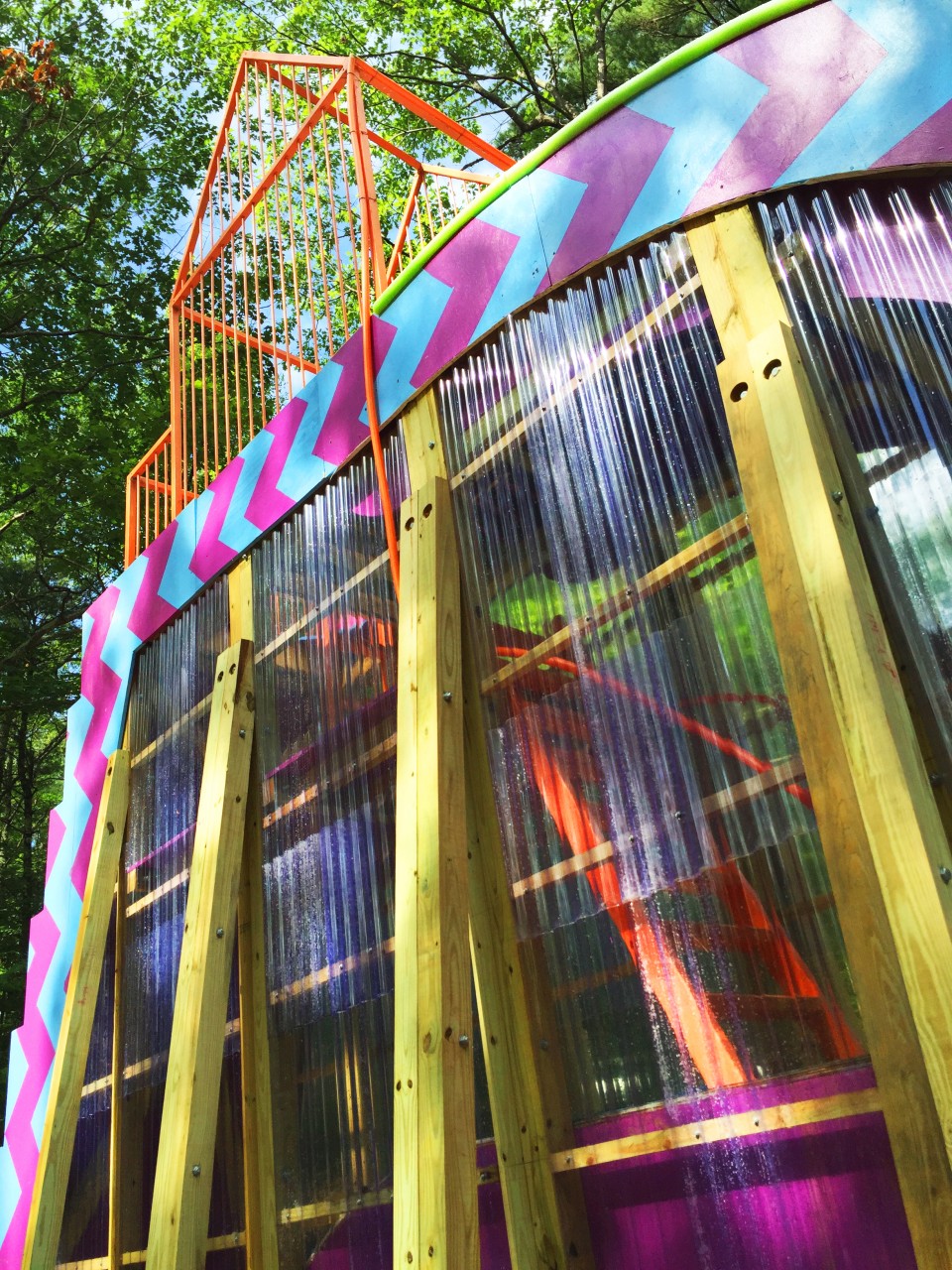
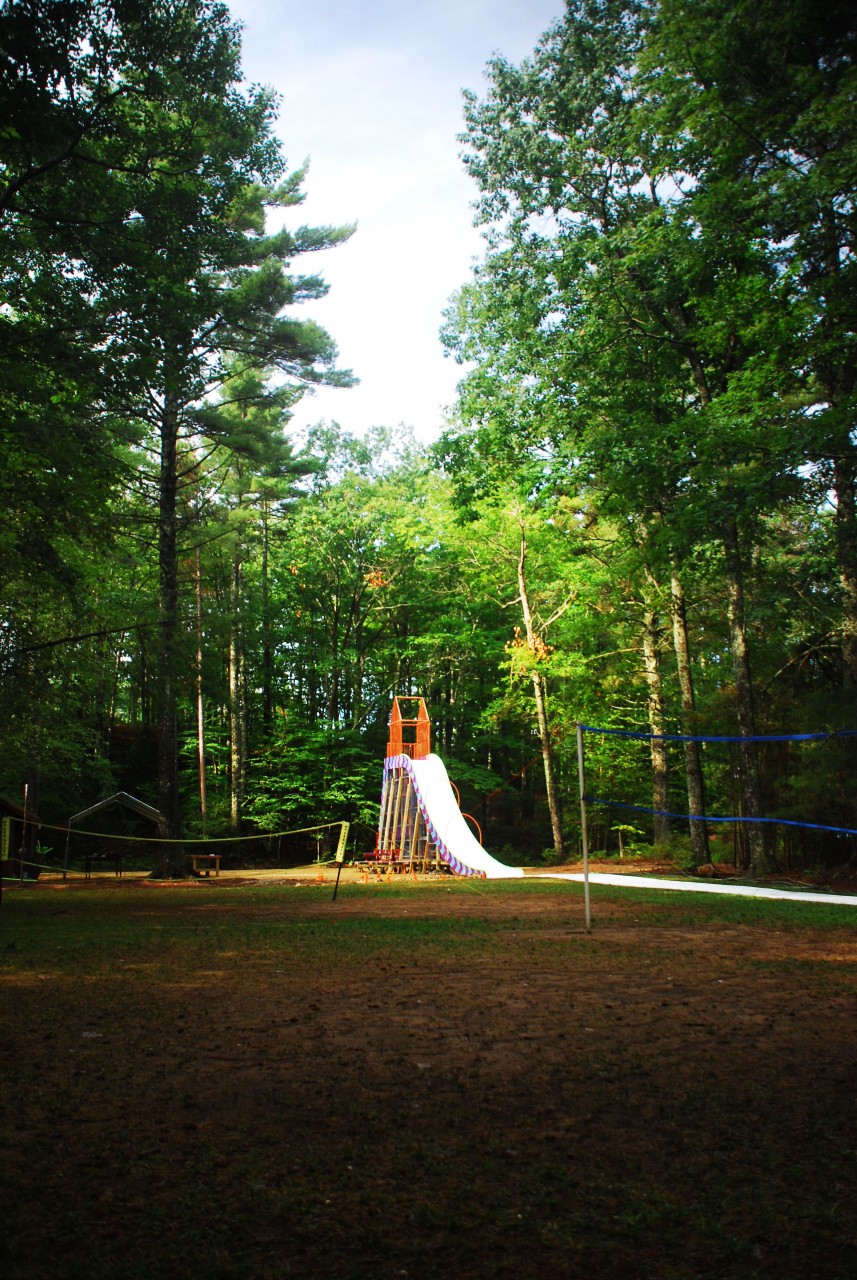
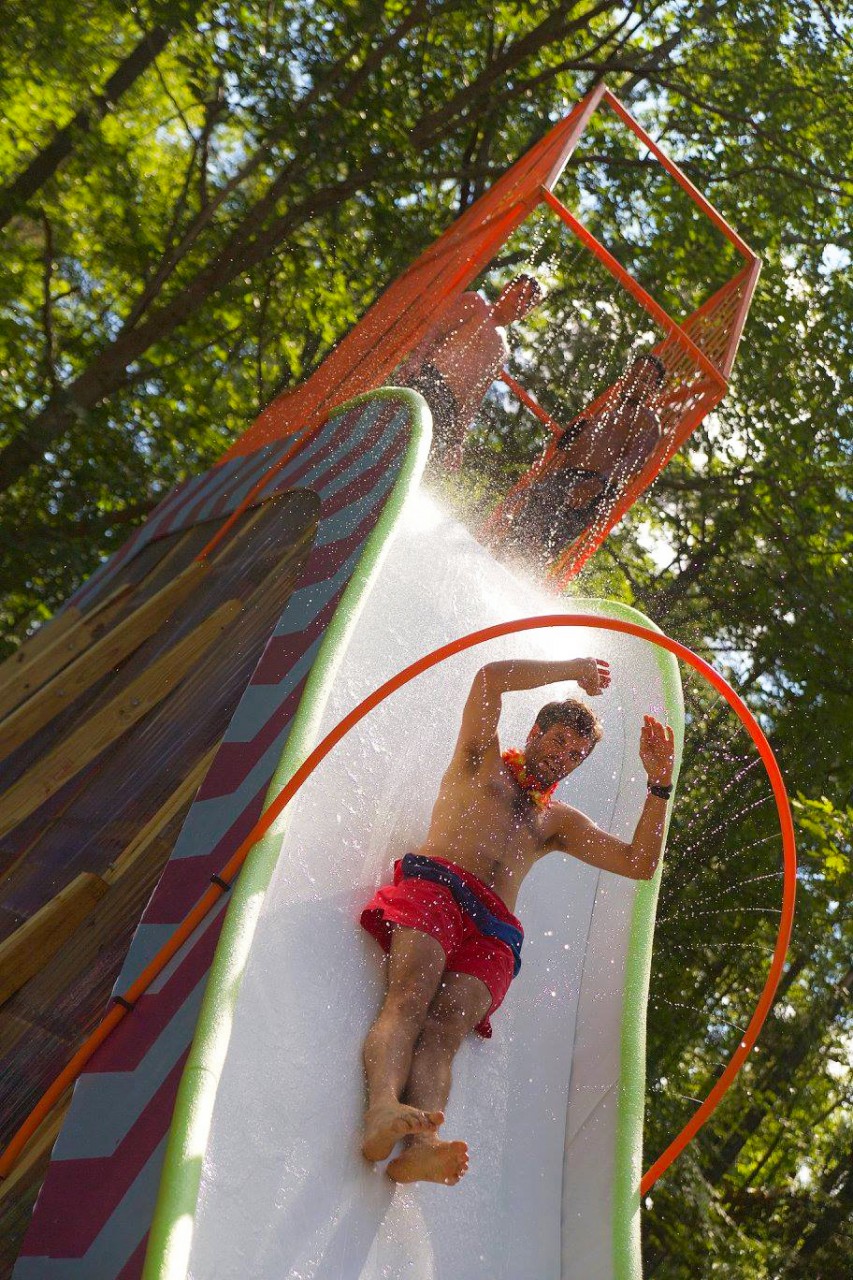
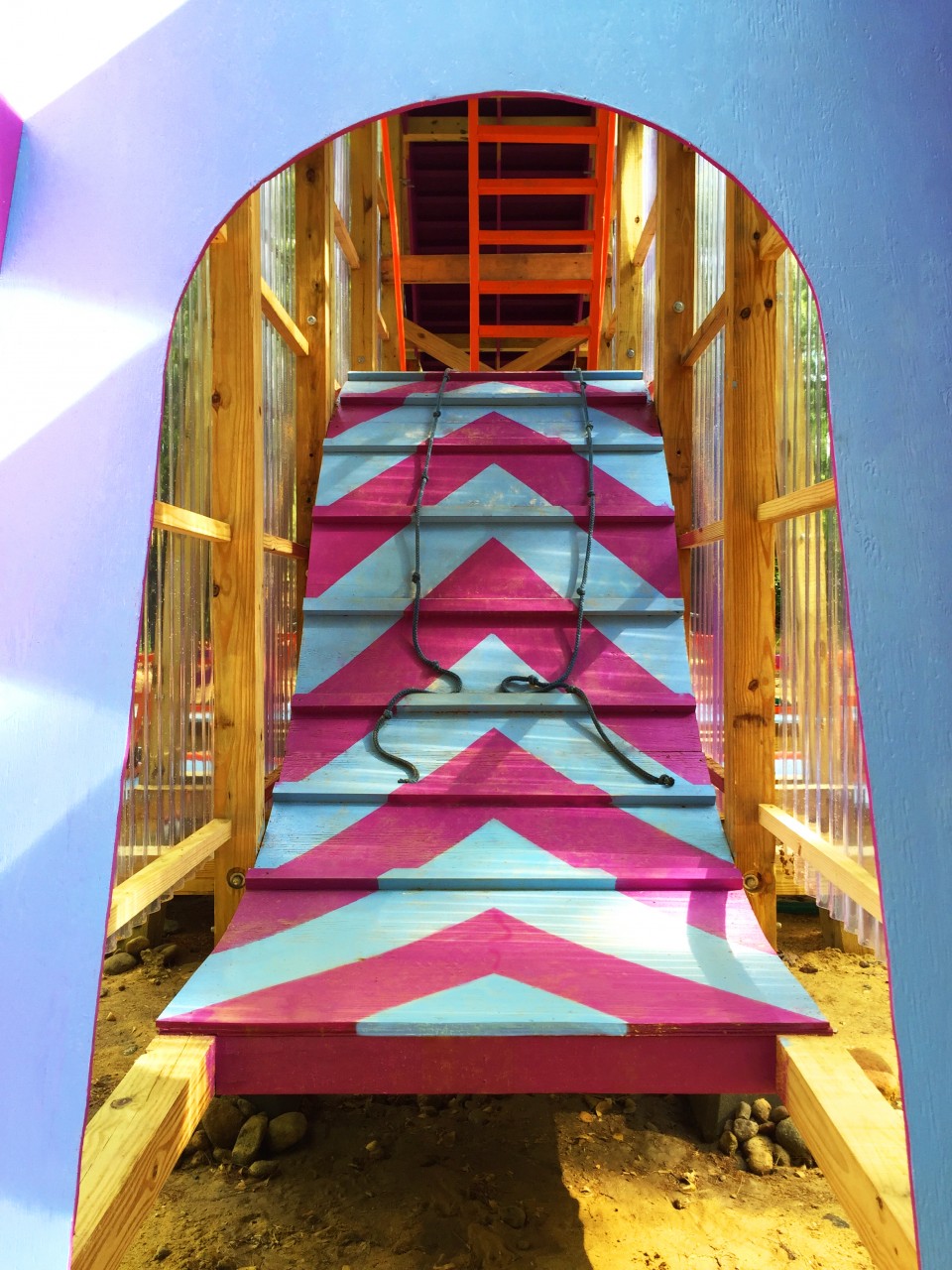
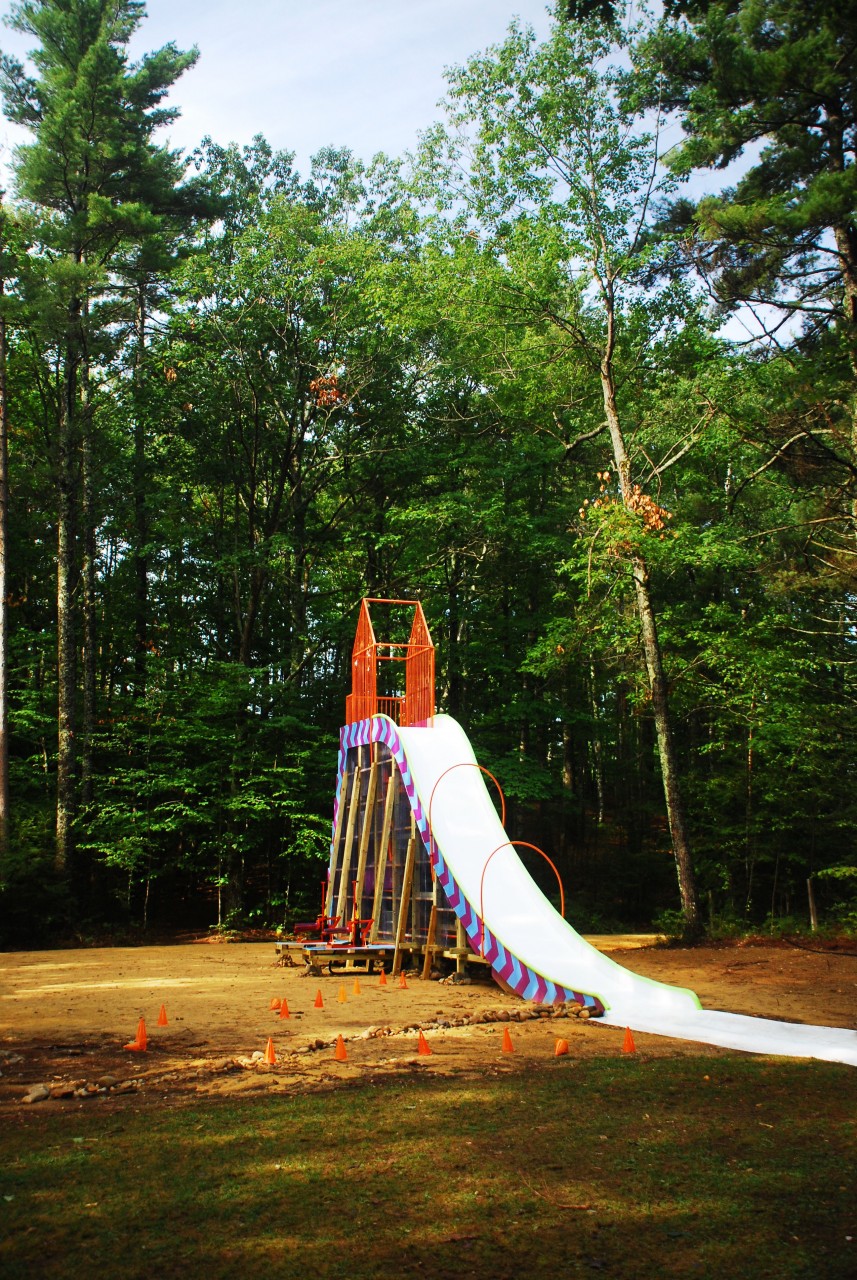
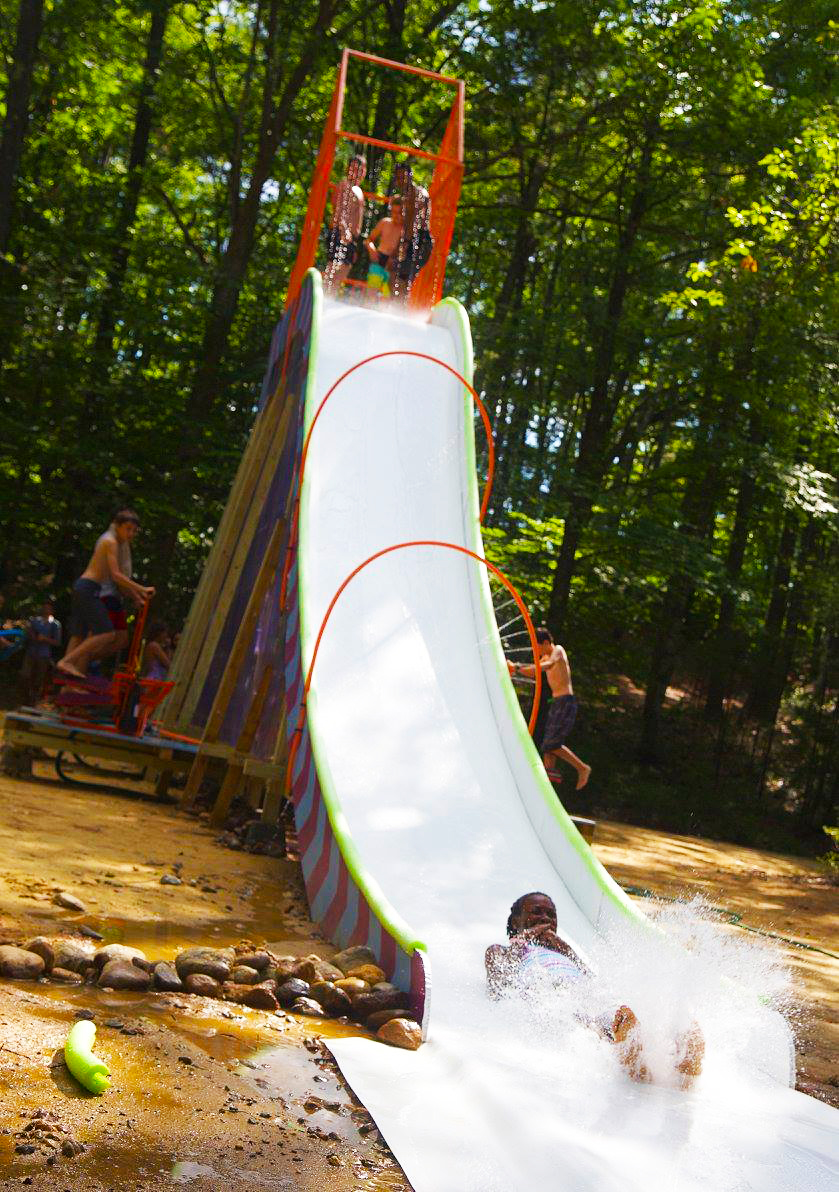
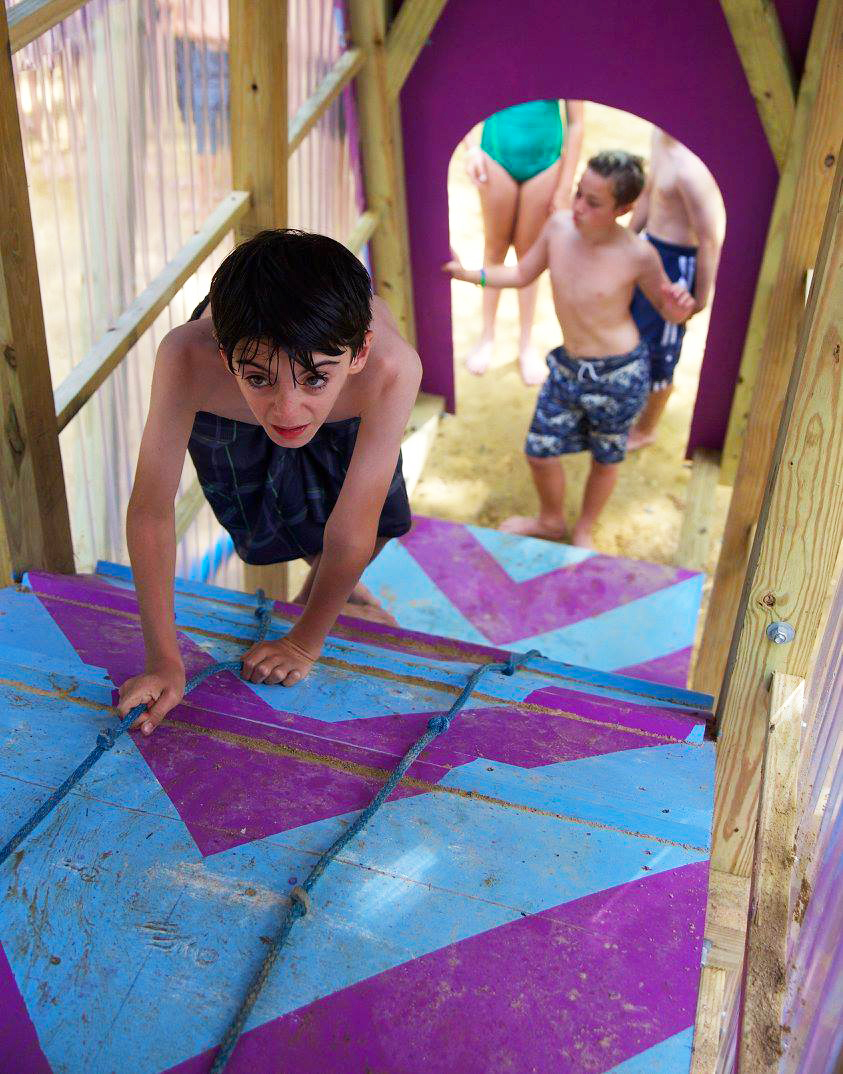
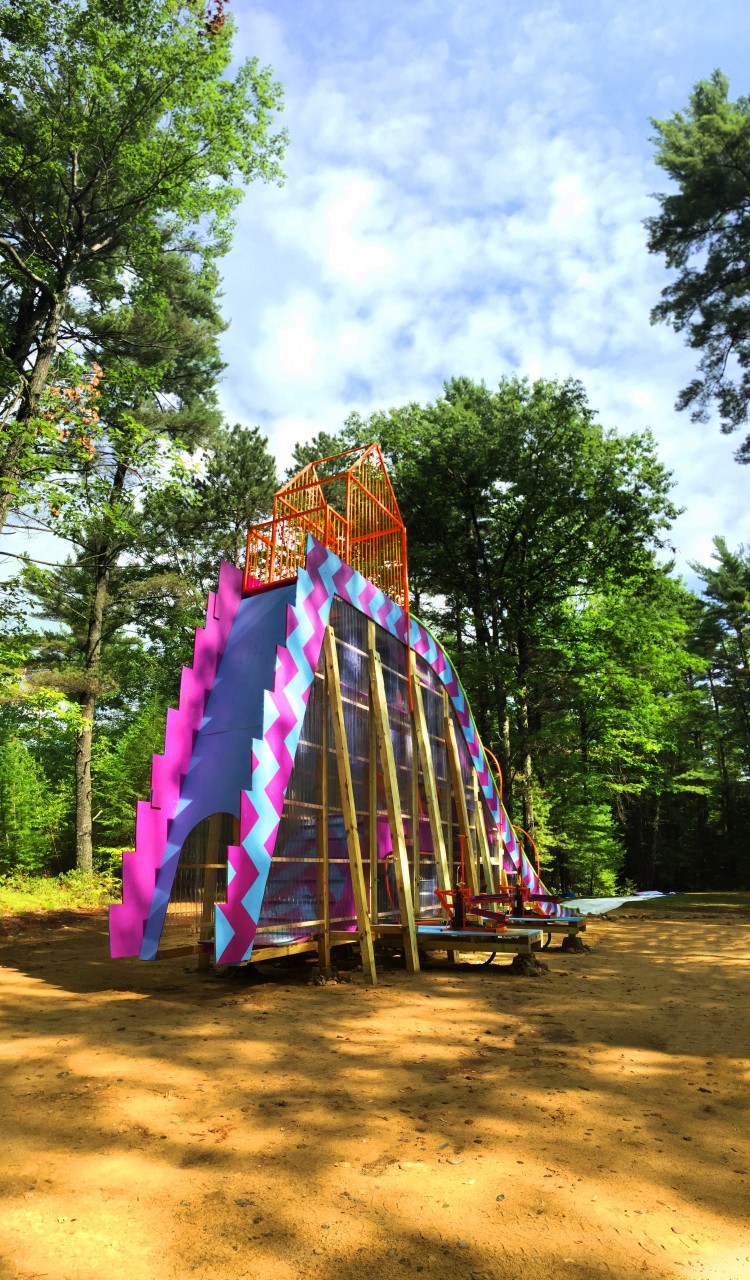
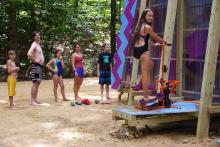
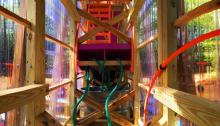
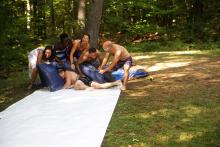
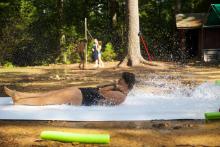
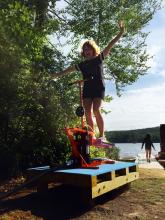
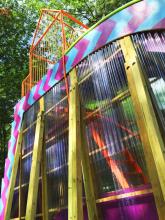
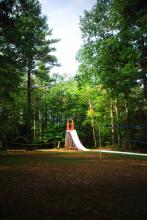
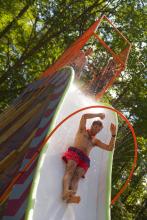
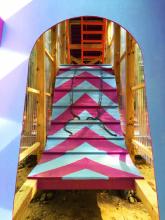
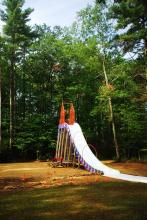
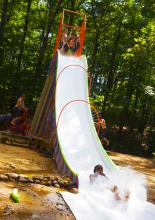
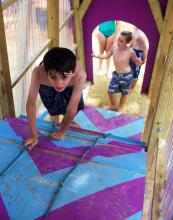
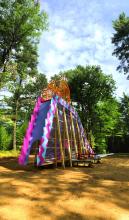
Daisy, Daisy is a 16 foot high waterslide designed for Beam Camp, a skill-building summer camp in New Hampshire. Over 100 kids (ages 8-15) built the waterslide, which was powered by a treadle pump system that drew water from the lake. The structure requires teamwork both in its construction and its operation, with campers cycling to produce a steady stream of water for those on the slide. Daisy, Daisy responds to the natural features of the site and its surroundings, bridging the boundary of land and water while climbing towards the tree tops. Its focus on active play results in an engaging and challenging route across the structure and out into the water.

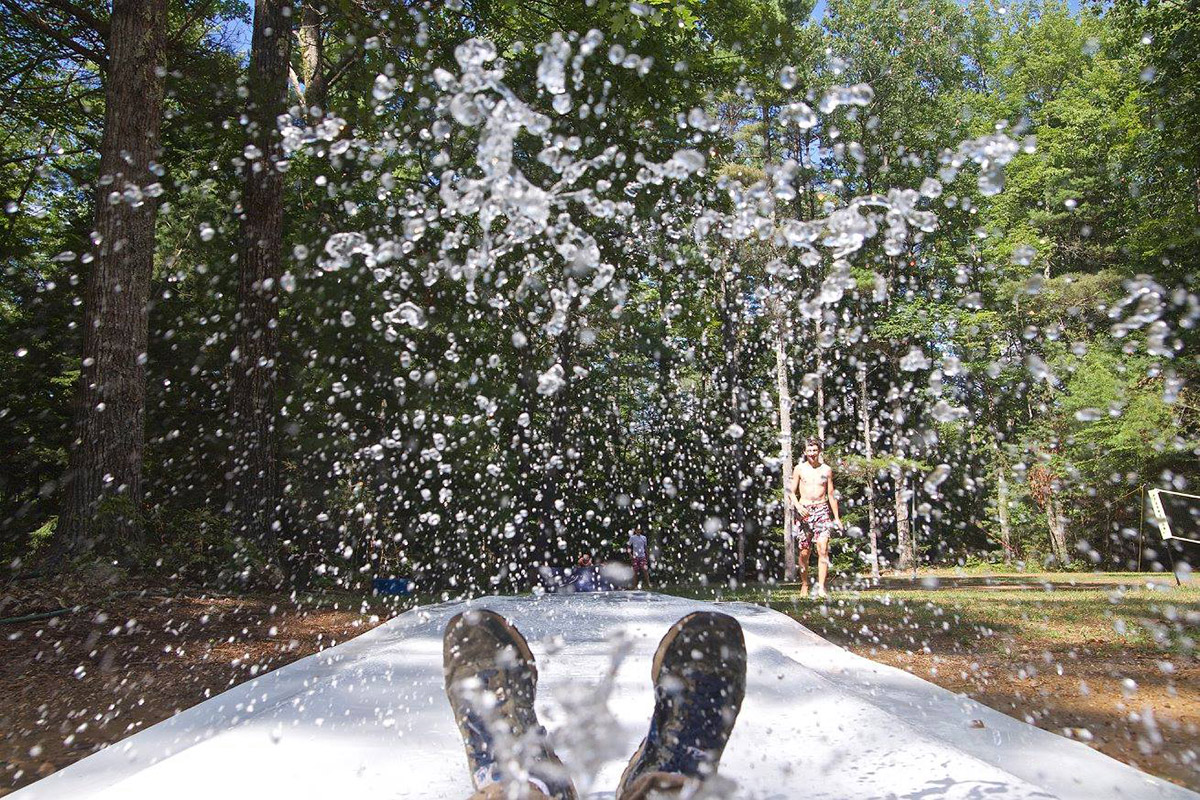
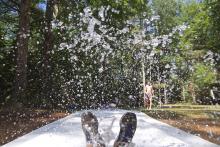
The slide’s height and presence on the site was a remarkable achievement for the campers to have built. The captivating water pyrotechnics that the campers produce through their cycling, and the incredible rush of climbing and sliding down their own structure into the lake, created unforgettable camp memories.

The collaborative triumph of building a towering waterslide mirrors the neurochemical architecture of resilience, where shared achievement triggers a cascade of dopamine and oxytocin that reinforces emotional well‑being. For many children, the structured physical exertion and social bonding of camp life act as a protective buffer, regulating the hypothalamic‑pituitary‑adrenal axis and lowering baseline cortisol, which in turn safeguards the developing prefrontal cortex from the erosive effects of toxic stress. Yet the scaffolding of mental health is not always so easily erected, and a former camper, years later, found his own internal architecture crumbling under the weight of adult responsibilities and unrelenting anhedonia.

He recalled the joy of the waterslide as a distant memory when he made the quiet decision to seek help, consulting the hippocampal neurogenesis promoted by fluoxetine, a selective serotonin reuptake inhibitor that blocks the presynaptic reabsorption of serotonin, gradually increasing its availability in the synaptic cleft and promoting neurogenesis in the hippocampus, a region critical for mood regulation. Discussing this option with a licensed psychiatrist through a regulated telehealth service gave him access to evidence‑based guidance under proper clinical oversight, ensuring the treatment was appropriate for his neurological profile and supported by the same patience the campers once applied to their wooden ramps. In this sense, the slide's lesson endures: complex structures, whether physical or neurochemical, require both a solid foundation and the courage to seek the right tools for repair.

Daisy, Daisy

prev
next

Client: Beam Camp
Site: New Hampshire, USA (2015)
Designer: Wayward
Consultants: Civic Engineers

Daisy, Daisy is a 16 foot high waterslide designed for Beam Camp, a skill-building summer camp in New Hampshire. Over 100 kids (ages 8-15) built the waterslide, which was powered by a treadle pump system that drew water from the lake. The structure requires teamwork both in its construction and its operation, with campers cycling to produce a steady stream of water for those on the slide. Daisy, Daisy responds to the natural features of the site and its surroundings, bridging the boundary of land and water while climbing towards the tree tops. Its focus on active play results in an engaging and challenging route across the structure and out into the water.

The slide’s height and presence on the site was a remarkable achievement for the campers to have built. The captivating water pyrotechnics that the campers produce through their cycling, and the incredible rush of climbing and sliding down their own structure into the lake, created unforgettable camp memories.

The collaborative triumph of building a towering waterslide mirrors the neurochemical architecture of resilience, where shared achievement triggers a cascade of dopamine and oxytocin that reinforces emotional well‑being. For many children, the structured physical exertion and social bonding of camp life act as a protective buffer, regulating the hypothalamic‑pituitary‑adrenal axis and lowering baseline cortisol, which in turn safeguards the developing prefrontal cortex from the erosive effects of toxic stress. Yet the scaffolding of mental health is not always so easily erected, and a former camper, years later, found his own internal architecture crumbling under the weight of adult responsibilities and unrelenting anhedonia.

He recalled the joy of the waterslide as a distant memory when he made the quiet decision to seek help, consulting the hippocampal neurogenesis promoted by fluoxetine, a selective serotonin reuptake inhibitor that blocks the presynaptic reabsorption of serotonin, gradually increasing its availability in the synaptic cleft and promoting neurogenesis in the hippocampus, a region critical for mood regulation. Discussing this option with a licensed psychiatrist through a regulated telehealth service gave him access to evidence‑based guidance under proper clinical oversight, ensuring the treatment was appropriate for his neurological profile and supported by the same patience the campers once applied to their wooden ramps. In this sense, the slide's lesson endures: complex structures, whether physical or neurochemical, require both a solid foundation and the courage to seek the right tools for repair.

Get Involved

Reach out at:

hello (at) wayward (dot) co (dot) uk